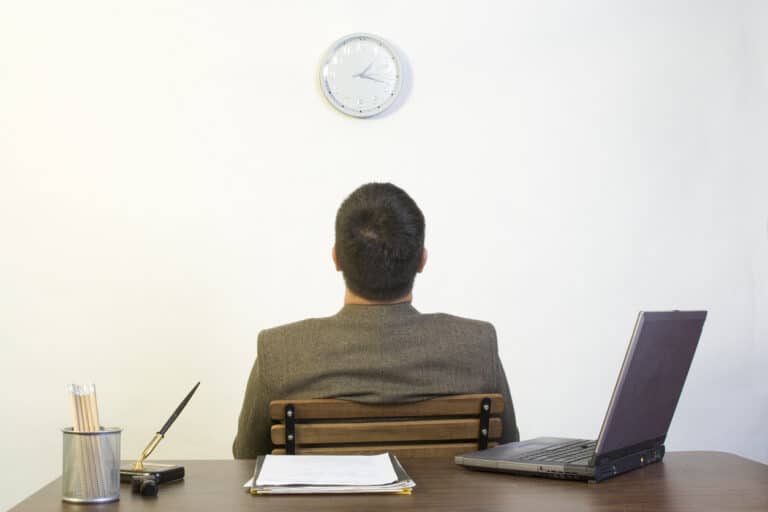


Procrastination and anxiety often fuel one another, which can make it very difficult to complete tasks, as the combination of both can exacerbate delay. However, learning to practise self-compassion can help us to break the cycle.
When we procrastinate, we have trouble regulating negative emotions associated with doing a task, for a variety of reasons. Perhaps we find the task tedious, or we don’t know how to complete it. We can also feel like we aren’t able to do the task “perfectly”, and therefore hold back on working on it, which can fuel even more anxiety about getting it done.
Anxiety may cause procrastination, and the other way around. Either way, it’s crucial to understand the link between them so we can learn to manage both. In this post, we’ll discuss why anxiety fuels procrastination, the role of the inner critic, and how to use self-compassion, mindfulness and emotional acceptance to procrastinate less.
Why does anxiety make procrastination worse?
As we’ve explored in previous blog posts, such as The Psychology Behind Why We Procrastinate, procrastination is not about laziness or poor time management. It’s an emotional regulation issue. Therefore, when we procrastinate, we put off a task we know we need or want to do, but we struggle to manage the negative emotions that come up around it.
One of these negative emotions can be anxiety. Anxiety is chronic stress, or worry about what is going to happen in the future. In relation to procrastination, this could be anxiety about the consequences of not completing a task or not meeting the standard you believe is expected. For example, self-inflicted worries such as not doing a job perfectly can fuel a vicious cycle of delaying and then feeling more anxious because of the delay, known as a “shame spiral”.
Therefore, anxiety makes procrastination worse because it exacerbates an already fraught emotional regulation issue. When we are procrastinating, we are already feeling negative emotions. When we add anxiety to this, we can spiral even further and find it even more difficult to focus and find more reasons to seek temporary relief through avoidance.
How do I manage my inner critic?
We all have experienced our own inner critic, that inner voice that tells us we are not doing things well enough. When we experience procrastination and anxiety, it can be challenging to calm our inner critic, as we delay tasks and then feel more anxious about doing them, which can wreak havoc on our mental and physical health.
Many factors can influence the development of the inner critic, including our upbringing, our sense of support in our lives, and our self-concept. While getting a true understanding of why we behave the way we do can be helpful, and we can spend a lot of time analysing this, realising that everyone has an inner critic can help us avoid unnecessary self-criticism.
Research shows that hormonal fluctuations affect procrastination. With insights like these, we can see that multiple factors affect our productivity. Once we develop this kind of awareness, we can become less harsh with our self-talk and find gentler, more constructive ways to deal with overwhelm.
How can self-compassion help?
Dr Tiffany Leung’s research sees the relationship between procrastination and anxiety as related to three factors, which include the following:
- Evaluation threat (fear of being judged)
- Standards threat (fear of failure)
- Uncertainty threat (not sure how to proceed)
In her view, there can be many reasons for procrastination; however, the solution lies in identifying the core drivers of this behaviour. Leung’s approach also aligns with Dr Fuschia Sirois’ research, in that self-compassion is key to better emotional regulation and physical health. In other words, self-compassion can be a tool for managing negative emotions, which, in turn, can help us better manage procrastination and anxiety.
In other words, when we are compassionate with ourselves, we can learn to calm the inner critic and our nervous system by activating our parasympathetic “soothe” response, which promotes emotional regulation. When we foster kindness and acceptance towards ourselves, we also reduce the guilt, shame and self-criticism that drives avoidance behaviour.
To demonstrate the value of self-compassion, research on procrastination in academic environments shows that self-compassion training is not just a good idea in theory, but effective in practice. In this context, doomscrolling, bedtime procrastination, and career uncertainty were among the behaviours contributing to procrastination.
Emotional regulation tools: mindfulness and acceptance
Mindfulness is a valuable tool for emotional regulation, helping manage procrastination and anxiety. There are many approaches to mindfulness, but, in simple terms, by being present with our emotional states and building self-awareness, we can identify when procrastination and anxious thoughts take over and find more constructive ways to manage overwhelm.
The role of self-compassion is also critical in this process. When we constantly beat ourselves up for not performing, we procrastinate more and can become more anxious. If we are kinder to ourselves from the start and acknowledge our overwhelm, we can take small steps. Often, this is all that it takes to make initial progress on a task. Once we have made even fractional progress, it’s often easy to keep going.
When do I seek help?
Everyone struggles with procrastination and anxiety from time to time. When a big deadline looms, we often behave differently than we do when approaching simple daily tasks. However, if procrastination and anxiety are becoming debilitating, it’s essential to seek help.
Talking to a trained mental health professional or counsellor can assist in finding more constructive ways to manage procrastination and anxiety, and resolve underlying emotional difficulties that could be fuelling this behaviour. If anxiety is affecting your physical health, it’s also critical to seek support.
Learn more about procrastination and anxiety
SACAP Global offers a wide variety of short online courses to help manage procrastination and anxiety, including Stress Management & Building Resilience and Managing & Preventing Anxiety.
SACAP’s foundational degree programmes, such as the Bachelor of Psychology and the Bachelor of Applied Social Science (Majoring in Psychology and Counselling), also provide deeper insight into these concepts.
FAQ:
1. Why does anxiety worsen procrastination?
Anxiety worsens procrastination because when we feel anxious about completing a task, we are often likely to put off doing it, which can create more anxiety in the long run as we continue to delay the task.
2. Why is self-compassion helpful for managing procrastination and anxiety?
Self-compassion helps manage procrastination and anxiety because when we are kinder to ourselves, we can regulate our emotions better and come up with constructive solutions rather than beating ourselves up and prolonging procrastination.
3. Why is mindfulness helpful for managing procrastination and anxiety?
Mindfulness helps manage procrastination and anxiety because, when we develop self-awareness, we can become more aware of when and why we procrastinate. This awareness can help us break patterns of behaviour that create vicious cycles of delaying tasks and feeling anxious about the delay.
Related Courses