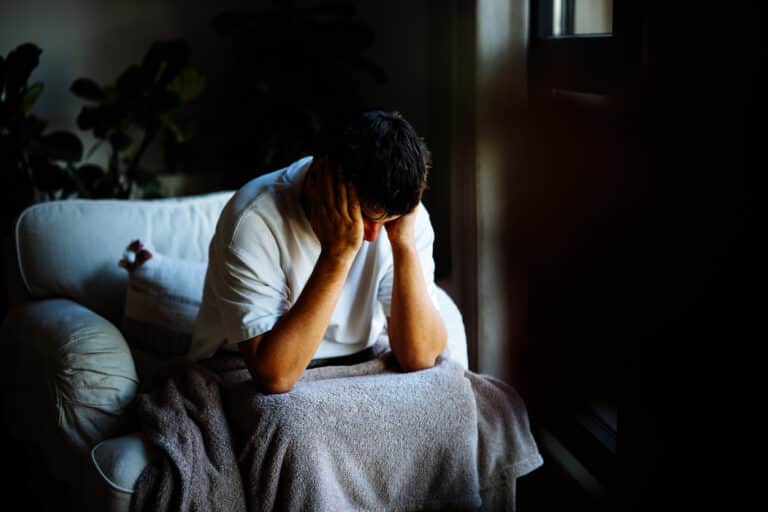


Depression is a common mental health condition. It affects how you think and feel, as well as function in daily life. While depression may involve feeling sad, it is different from sadness because it is longer-lasting and can impact your energy, motivation and ability to cope with daily life.
What is depression?
The World Health Organisation (WHO) shares that depression involves experiencing a depressed mood along with a loss of pleasure in activities for an extended period of time.
Overall, depression is a “slowing down” in terms of mental, physical and emotional functioning. When you feel depressed, you may sleep more than usual and struggle to concentrate and carry out simple tasks. You may feel less enthusiastic about engaging in activities, and may not have the energy to socialise, work or maintain relationships.
While many people might confuse depression with laziness or an unwillingness to engage, it can actually present as a severe mental health challenge. Therefore, a person struggling with depression may require treatment and should feel supported to seek help.
What is the difference between depression and sadness?
The overlap between depression and sadness can be confusing because these experiences may look similar, but the difference comes down to duration, intensity and impact.
Sadness
- is temporary
- describes an impermanent mood
Depression
- may last longer
- may affect mental, physical and emotional functioning
- is more severe (i.e. symptoms negatively impact daily functioning)
Is depression a mental illness?
Depression, or depressive disorder, can be diagnosed clinically, and there are various types of depression. Feeling depressed does not necessarily mean a clinical diagnosis, though. For example, you may feel depressed when going through a difficult life experience, such as losing a job or a loved one, known as situational depression.
However, when symptoms start to impact your life negatively, these are clear indications that you may be struggling with a depressive disorder, and are not just experiencing negative emotions.
Depression also differs according to the individual, depending on the person, their circumstances and how these symptoms affect their daily life. It can also overlap with other mental health disorders, which can make it challenging to recognise.
What are the common symptoms of depression?
To get a better idea, it’s helpful to get an overview of some of the most common symptoms of depression, which, according to the WHO, include:
- Problems concentrating
- Experiencing low self-worth and feelings of guilt
- Feeling hopeless
- Thoughts of suicide (suicidal ideation)
- Changes in weight and appetite
- Disrupted sleep patterns
- Feeling tired and experiencing low energy
As we can see from this list, it’s possible to experience some of these symptoms when feeling sad and depressed temporarily. However, symptoms like suicidal ideation emphasise how serious this condition can become if not treated promptly.
What causes depression?
Many social, environmental, psychological and biological factors cause depression. As it is complex, many overlapping factors may contribute to symptoms, and these may differ from person to person.
Here is an outline of each of the factors below:
Social and environmental factors
Socio-economic factors can contribute to depression, for example, living in poverty or a high-crime area. Isolation, or not feeling like you have a support network, can also affect the likelihood of developing depression. Pollution, poor living conditions, and other environmental factors can also negatively affect mental health.
Psychological factors
Psychological factors may include experiencing trauma, which affects individuals differently. One person may be able to process the event and move on, while others may struggle with depressive symptoms.
Biological factors
As with any mental health disorder, biological factors such as genes can also play a role. If you have a history of depression in your family, you may be more likely to develop depression too.
How does depression affect daily life?
While it’s helpful to understand the broader context of depression, the main point of this article is to explain how it affects daily life.
We all experience mood fluctuations and bad days. However, when you are struggling with depression, your work and relationships will be affected, as you won’t be able to perform optimally due to low motivation. For example, you may struggle to get out of bed, concentrate, or maintain relationships.
Sadly, work and relationship struggles can worsen existing symptoms, which creates a vicious cycle. When someone struggles with physical symptoms, daily tasks can also become not only tedious but impossible.
Is depression treatable?
It can be overwhelming to consider all of the various factors that may contribute to depression and how it can negatively affect your or someone else’s life. However, it’s important to highlight that depression is treatable.
Once a person has received a diagnosis from a qualified mental health professional, treatment could include talk therapy and medication, depending on the individual and the severity of the symptoms.
When should you seek help for depression?
Sadly, we live in a society where mental health challenges are often stigmatised or downplayed. However, it’s critical to seek help as soon as you feel like you are experiencing long-lasting depressive symptoms.
Seek help if:
- Symptoms last longer than two weeks
- Your daily functioning is affected
- You feel overwhelmed or unable to cope
The earlier you seek help, the better. There are also many free support resources available, so financial factors don’t have to limit your ability to get help. For more information, access our list of mental health resources in South Africa.
Deepen your understanding of depression
If you’re interested in learning more about the broader psychology of depression and how to manage it, SACAP offers a variety of short online courses, such as Holistic Approach to Managing Depression, as well as in-depth psychology degrees and other related postgraduate programmes.
FAQ:
1. How is depression different from sadness?
Depression and sadness may look similar, but they differ in duration, intensity and impact. Sadness is a temporary, impermanent mood usually linked to a specific event. Depression lasts longer, is more severe and impacts mental, physical and emotional functioning.
2. Is depression a mental illness?
It is possible to feel depressed and not receive a clinical diagnosis, which is known as situational depression (associated with difficult life events). However, when symptoms start to affect daily functioning over time, this can indicate a clinical depressive disorder.
3. Is depression a mental problem only?
While depression affects mental functioning, it also affects physical and emotional functioning. For example, depression can affect sleep, appetite, energy levels and ability to socialise.
Related Courses


Bachelor of Applied Social Science (Majoring in Psychology and Counselling)

Applied Psychology

3 years, full-time | 5 years, part-time


Bachelor of Social Science Honours in Psychology
Applied Psychology
1 year full-time, 4 academic terms (online)

Bachelor of Psychology
Applied Psychology
4 years, full-time


Master of Social Science in Community Mental Health Promotion

Social Work and Community Development

2 years, part-time (Online)