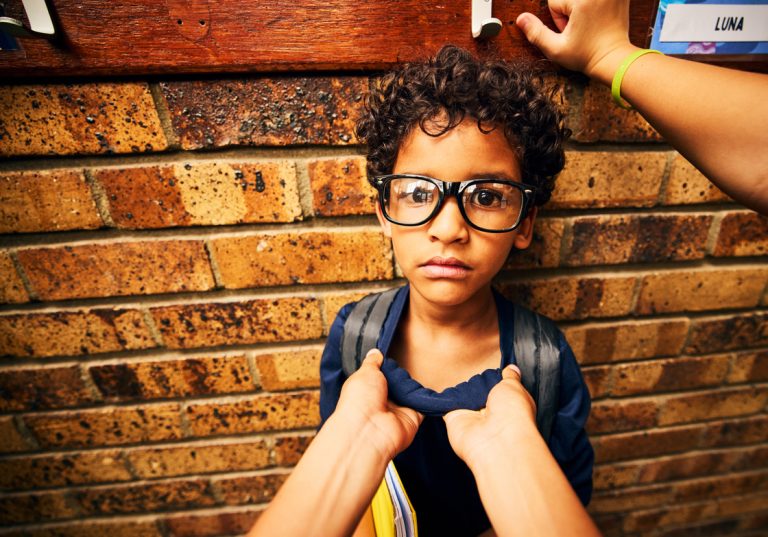


Bullying in South African schools is prevalent and a very real problem. One of the biggest challenges is that the majority of learners who are victims of bullying don’t report it, as they believe it won’t make a difference. Many believe that reporting a bully could escalate the issue. As a result, bullying at school is underestimated and a persistent issue. One of the consequences of bullying at school is an increase in absenteeism. An even more serious concern is that bullying has been linked to an increase in youth suicide.
What Is Bullying and How Do We Define It?
Bullying is unwanted and aggressive behaviours with the use of intentional and repetitive words and/or actions targeting an individual or group. The purpose of bullying is to cause distress and exert power over another person. It’s rooted in relationships characterised by an imbalance of power. The result is that the bully victim feels helpless, powerless and that their wellbeing is harmed.
Active vs Passive Bullying
- Active bullies: students who want to bully, start it, and play a leader role.
- Passive bullies: students who support the bullying (e.g., through laughter or calling attention) but don’t actively join in.
Bullying in South African Schools: How Bad Is It?
- Annually, more than 3.2 million learners are bullied.
- 67% do not report being bullied.
- Daily 160 000 learners skip school to avoid being bullied.
- 1 in 10 learners will drop out of school due to being bullied.
- 16% of learners experience cyberbullying.
- 90% of bullying is learner-on-learner.
This means that at least 24% of the school-going children in South Africa have experienced repeated verbal, physical or psychological abuse at the hands of a peer. This is alarming and especially worrying given the long-term impact that bullying can have on the victim, bystanders and bully.
The Effects of Bullying on Learners’ Mental Health
Some of the results of being bullied include, but are not limited to, depression, low self-esteem, health problems, poor grades and suicidal thoughts. Bully victims are also more likely to engage in riskier health behaviours. Within the South African context, it has been reported that of those who experience bullying at school, 70% exhibit trauma symptoms.
Bystanders can also be negatively affected through their witnessing of bullying. For example, taking on an indirect co-victim status or feeling insecure at school, as they’re constantly fearful of becoming the next victim.
It’s been shown that there are consequences of being a bully. Statistics show that many children who bully engage in violent and higher-risk behaviour into adulthood, for example, substance abuse and vandalism. They are also more likely to have criminal convictions and become abusive in relationships.
Why Does Bullying Happen?
There are many reasons why bullying happens. Often, bullying is linked to insecurity, low self-esteem or a need to be in control. For some bullies, it’s a way of coping with negative feelings like those linked to past trauma. It can also be used as a way of dealing with stress or, for example, as an emotional outlet for anger. Within a school situation, bullying can also be a way of gaining status or a survival strategy to better ensure that you don’t get bullied.
Bullying can also be a learnt response. For example, copying how others interact with and treat each other. In some families and communities, bullying is rewarded, encouraged and/or an acceptable form of behaviour. Bullying can also be the result of peer pressure and wanting to fit in or be accepted by a group.
Bullying can also be a result of a lack of social skills or an inability to empathise with others. Therefore, a bully might not understand their own or other people’s emotions. They could also lack the appropriate, healthy and more positive skills to handle social situations.
A driving force of cyberbullying is that it can be anonymous. Cyberbullying creates a situation where a victim is easy to objectify, and a bully’s inhibitions are lowered.
How Common is Bullying in South African Schools?
Studies conducted at schools in South Africa, reveal that there is a high prevalence of bullying in schools. This poses a significant challenge to children’s well-being and safety.
Qiniso Makhathini, a Bachelor of Social Science Honours in Psychology graduate from SACAP, conducted research in 2015 amongst a group of 12 year-old pupils randomly selected from schools in the Cape Town metropole. The study aimed to determine the prevalence of bullying across both gender and socio-economic status. 41.7% reported being hit by another student at least once.
- 53.7% reported being excluded by other students on at least one occasion.
- No significant difference across socio-economic groups.
- No major gender difference for active bullying.
- Girls were significantly more likely than boys to experience passive bullying.
According to Makhathini, “The prevalence and severity of the effects of bullying clearly indicate that it needs to be taken more seriously by governing bodies, policy makers and the general public.”
What Can Schools and Communities Do?
The Human Science Research Council (HSRC) findings show that the students’ feelings towards their school environment were associated with bullying. Effectively, students who feel secure and like they belong at school are less likely to be bullied than those who don’t. This means that to combat bullying, teachers and principals need to actively foster a learning environment where students feel valued and supported.
5 Strategies to Combat Bullying in School
- Make it clear that bullying is not accepted in any form.
- Enforce anti-bullying laws as part of the learner’s code of conduct.
- Emphasises caring, respect and safety.
- Improve communication amongst staff, teachers, parents and learners.
- Provide easy, confidential ways for learners to report bullying
7 Ways Communities Can Help Fight Bullying
- Establish anti-bullying policies.
- Educate about bullying.
- Foster a supportive environment where open communication is encouraged, empathy and respect are promoted and inclusive activities take place.
- Provide support systems for victims of bullying or those who witness it.
- Encourage reporting of bullying.
- Teach community members how to safely intervene, get help and support victims of bullying.
- Address the bully so they can understand the consequences of their bullying and learn positive coping mechanisms and behaviours.
Bullying Helpline South Africa
There are a number of organisations which provide both resources and access to counsellors for those who need help with bullying.
- Childline South Africa is available 24/7 and provides free and confidential support:
- Online chat
- Tel: 116
- Bullying Resources
- SADAG:
- Suicide Crisis Helpline: 0800 567 567
- Bullying Resources
- Adcock Ingram Depression & Anxiety Helpline: 0800 70 80 90
- Suicide Crisis Helpline:
- SMS: 31393
- Tel: 0800 567 567
- Cipla Mental Health Helpline
- 0800 456 789
- SMS: 31393
Key Takeaways
- Bullying in South African schools is prevalent and many learners do not report it.
- Bullying can be verbal, physical, social or online.
- It negatively affects victims, bystanders and even bullies.
- A supportive school environment reduces bullying.
- Schools and communities both play essential roles in prevention.
How You Can Combat Bullying in Schools
Understand human behaviour and help build safer learning environments. Explore SACAP’s Bachelor of Applied Social Science degrees to find out how you can be part of positively changing school and community environments. SACAP has over 27 years of offering internationally recognised accredited courses, including a range of undergraduate degrees in Applied Psychology. Contact a SACAP Admissions Officer to discuss your study options. If you know what course you would like to study, then apply online today.
FAQ:
1. What is bullying in South African schools?
Bullying is the intentional and repetitive use of unwanted and aggressive words and/or actions that target an individual or group with the intention to harm.
2. Why does bullying happen among students?
Bullying at school is usually linked to a bully having low self-esteem, their need to be in control, a desire for social power, attention or popularity.
3. How common is bullying in South Africa?
A significant proportion of learners are bullied at school in South Africa. It’s estimated that annually, 3.2 million school children are bullied.
4. What are the psychological effects of bullying?
Some of the psychological effects of bullying include, but are not limited to, depression, anxiety, loneliness, low self-esteem and feelings of helplessness.
5. How can schools help prevent bullying?
Schools can help prevent bullying by ensuring that they have clear bullying policies that are consistently reinforced. They need to implement bully-education and social-emotional learning programmes. They also need to increase adult supervision in areas where bullying occurs and actively create a supportive and safe school environment.
Related Courses


Bachelor of Applied Social Science (Majoring in Psychology and Criminology)

Applied Psychology

3 years, full-time (Campus) | 5 years, part-time (Online)


Bachelor of Applied Social Science (Majoring in Psychology and Counselling)
Applied Psychology
3 years, full-time | 5 years, part-time
Diploma in Counselling and Communication Skills
Applied Psychology
2 years, full-time | 3 years, part-time

Higher Certificate in Counselling and Communication Skills
Applied Psychology
1 year, full-time | 2 years, part-time